
Jan 2025 – Oct 2026
BSSSC Youth Board
Deputy Board Member
Represent Baltic Sea youth, convene workshops on AI competitiveness, and turn youth proposals into board items.
Politics
I serve as Deputy Youth Board Member at BSSSC, lead the AI working group inside CYR (the Council of Youth Representatives within the BSR Youth Forum, CBSS), and serve as a Students For Liberty Local Coordinator. The roles connect: youth mandates, market liberalism, and Baltic Sea diplomacy in one agenda.
My philosophy is shaped by the Austrian school. I argue that technology drives productivity, that capitalism delivers the broadest gains in standard of living, and that individual liberty is the value worth defending. Policy earns its keep when it protects voluntary exchange, reliable infrastructure, and entrepreneurial freedom.
Current mandates that anchor this docket.
Jan 2025 – Oct 2026
Deputy Board Member
Represent Baltic Sea youth, convene workshops on AI competitiveness, and turn youth proposals into board items.

2025 – 2027
AI Working Group Lead
Shape the working group's frameworks for European-scale AI infrastructure, sovereign compute, and cross-border capability-building across the Baltic Sea Region.

Ongoing
Local Coordinator
Build a community of liberty-minded students, run Austrian-school discussion sessions, and connect policy debates to entrepreneurial cases.
Recent gatherings, in reverse chronological order.
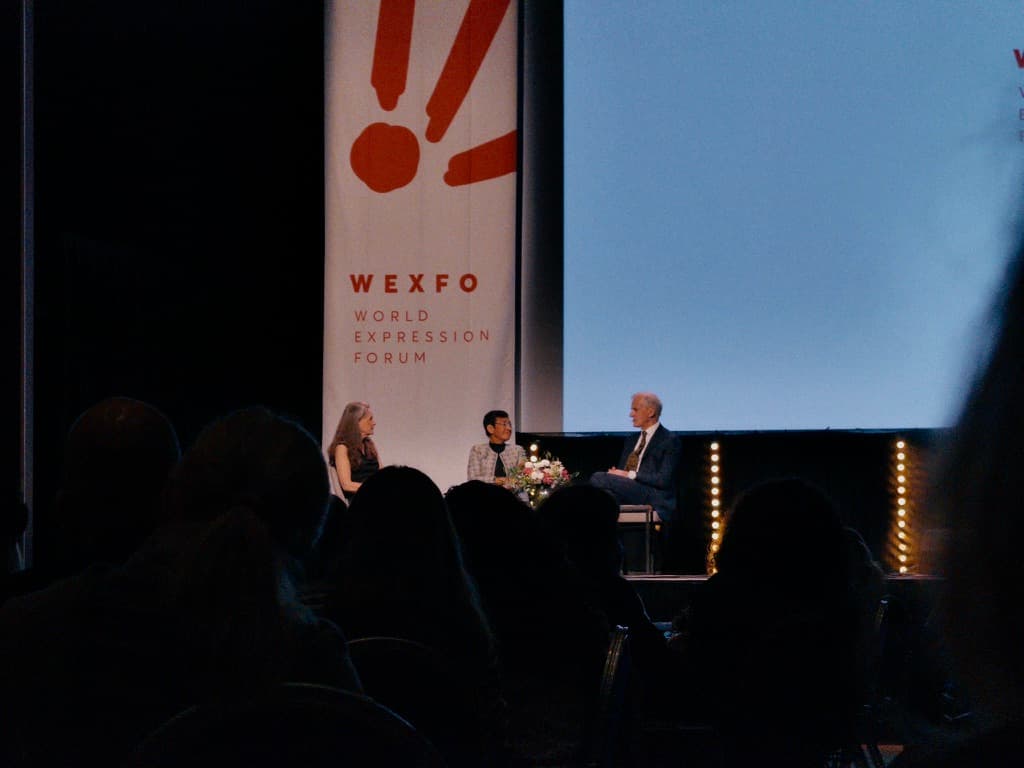
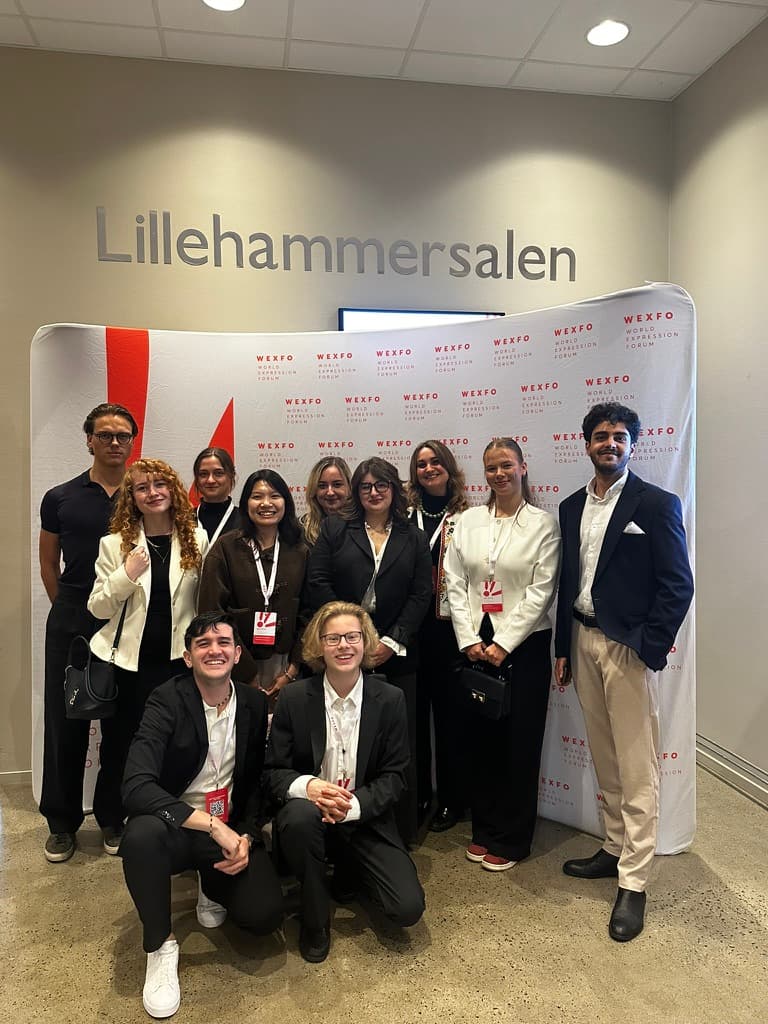
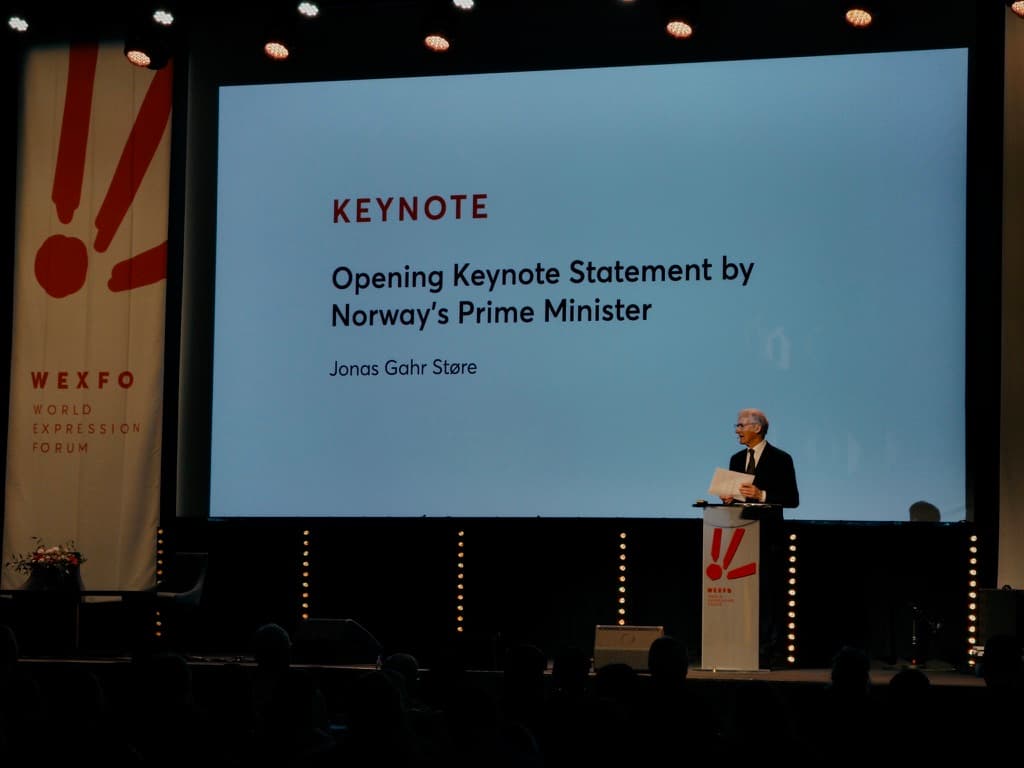
Social-media bans for minors, legally protected hate speech, free expression and the limits of state power
The fifth World Expression Forum, themed "The Freedom to Disagree," drew speakers and delegates from around fifty countries to Lillehammer. Maria Ressa in conversation with Prime Minister Jonas Gahr Støre on the opening day; further along the programme, Louis Theroux and Megan Phelps-Roper. I delivered one of the opening speeches in two debates run in the Braver Angels format and hosted by Samuel Rechek, taking the libertarian side of each: against banning social media for minors, and for keeping hateful speech legally protected. Both came down to the same question — who holds the off-switch on expression, and whether anyone should trust the hand reaching for it. Støre's keynote answered it for the other side, calling on governments and media to hold the tech companies responsible. That was the case I came to argue against.
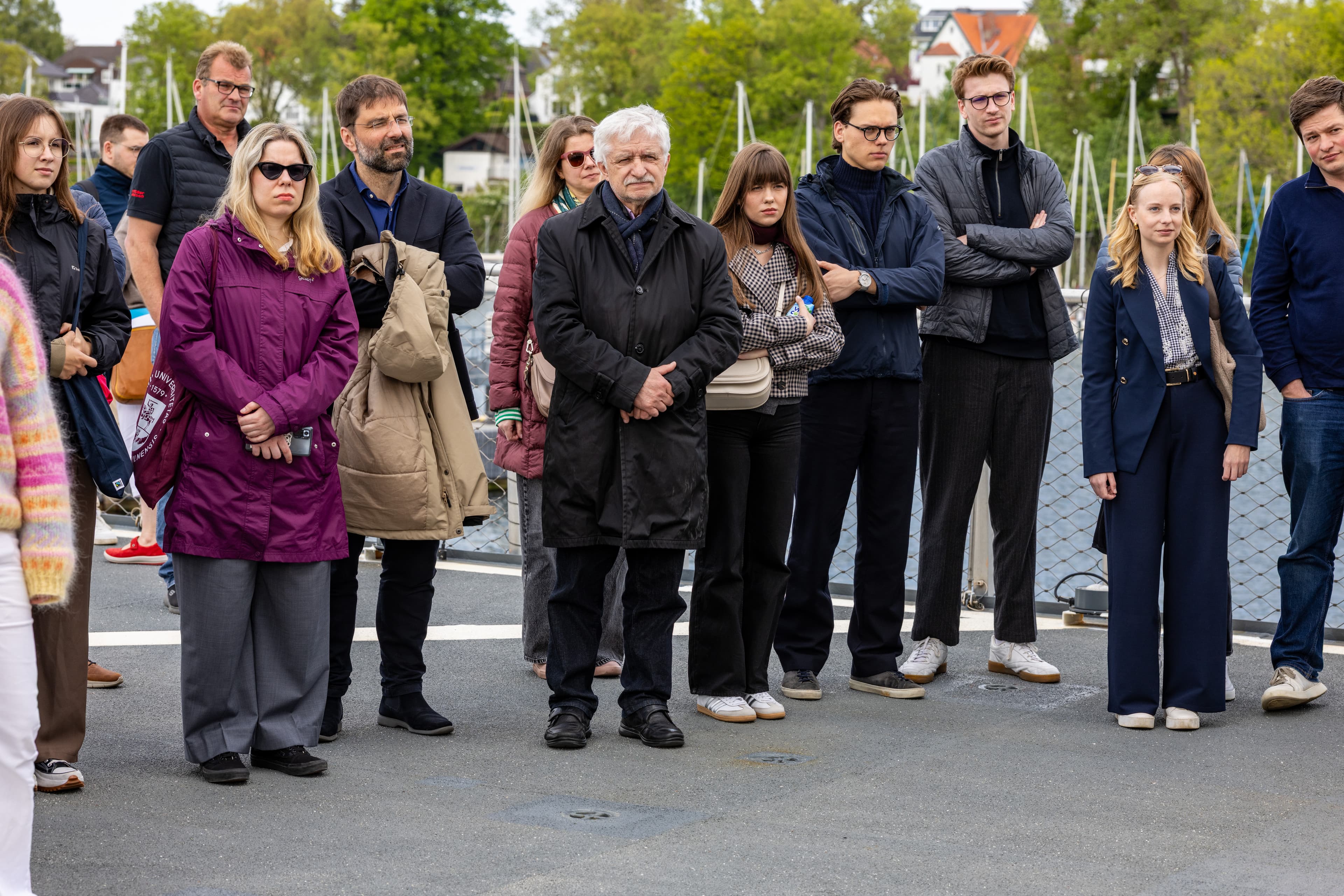
Open-weight AI procurement, BSPC resolution drafting, youth input ahead of the Lübeck Annual Conference
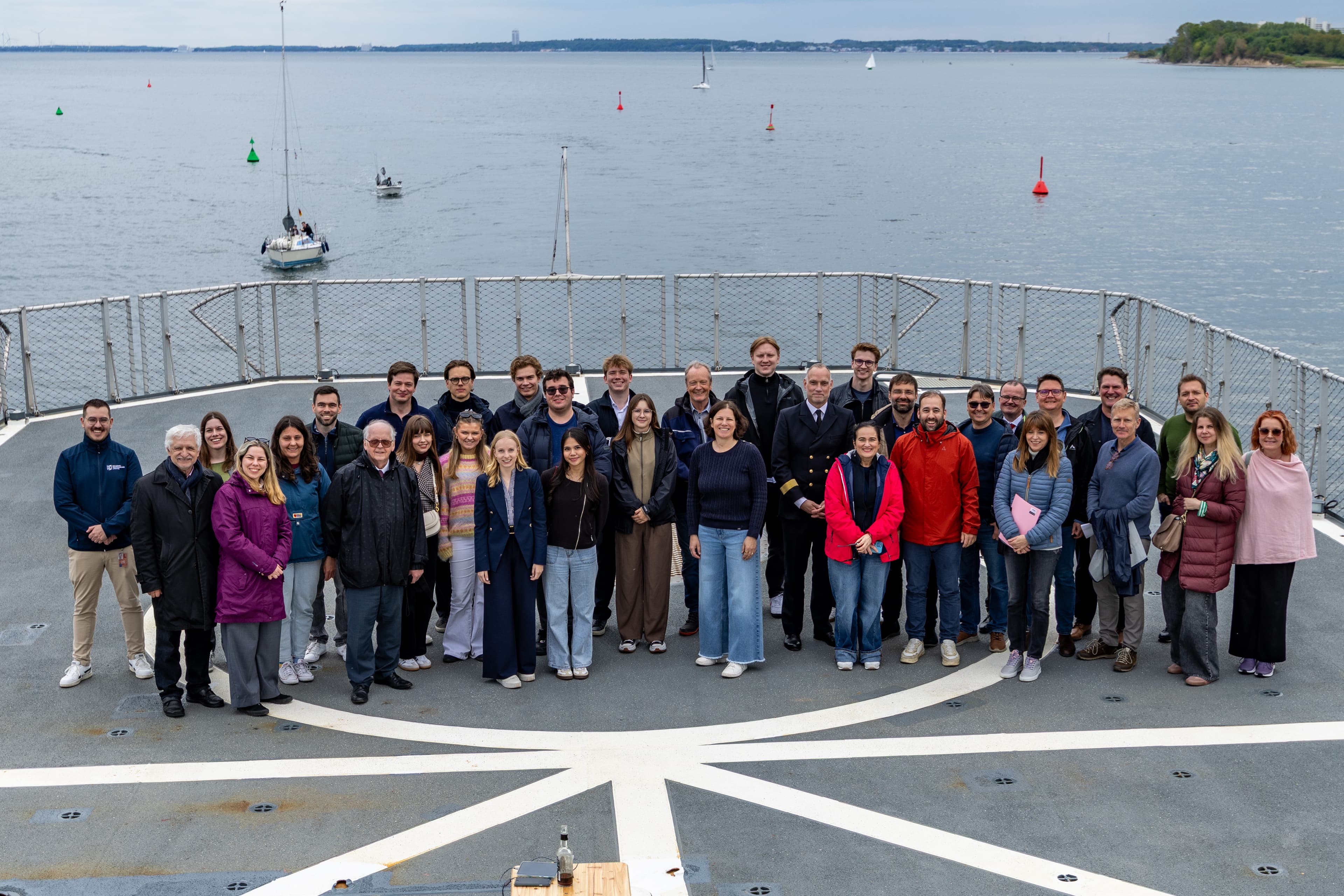
Inaugural Baltic Sea Parliamentary Conference Standing Committee × Youth side event at DJH Scharbeutz, hosted by the Schleswig-Holstein Landtag, the BSPC Secretariat, and the CBSS Secretariat. Thirteen youth delegates from across the Baltic, two and a half days of working sessions, one recommendation cleared through to the resolution being adopted at the BSPC Annual Conference in Lübeck this autumn: Open-Weight Models for Democracy. Public digital procurement reserves a defined share for open-weight AI developed in the region, a floor of demand without picking a champion, and a public sector running on infrastructure it can inspect, audit, and govern. Procurement is the only AI policy lever that actually moves capital. The same procurement argument I made on the Sovereign Intelligence panel at EUSBSR Tallinn three days earlier is now written into a draft parliamentary resolution.

Security & geopolitics, demography & competitiveness, climate & environment, governance & financing
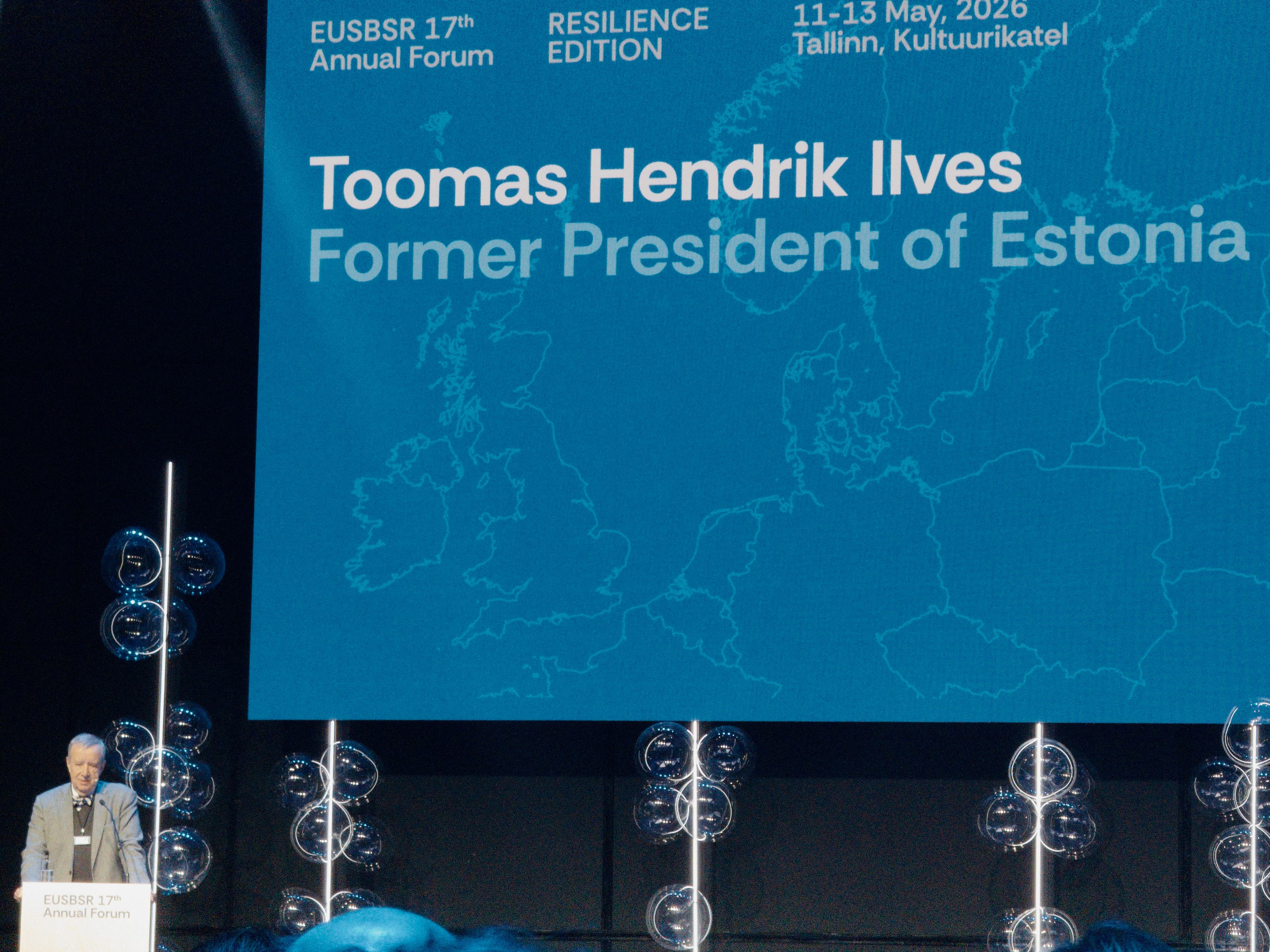
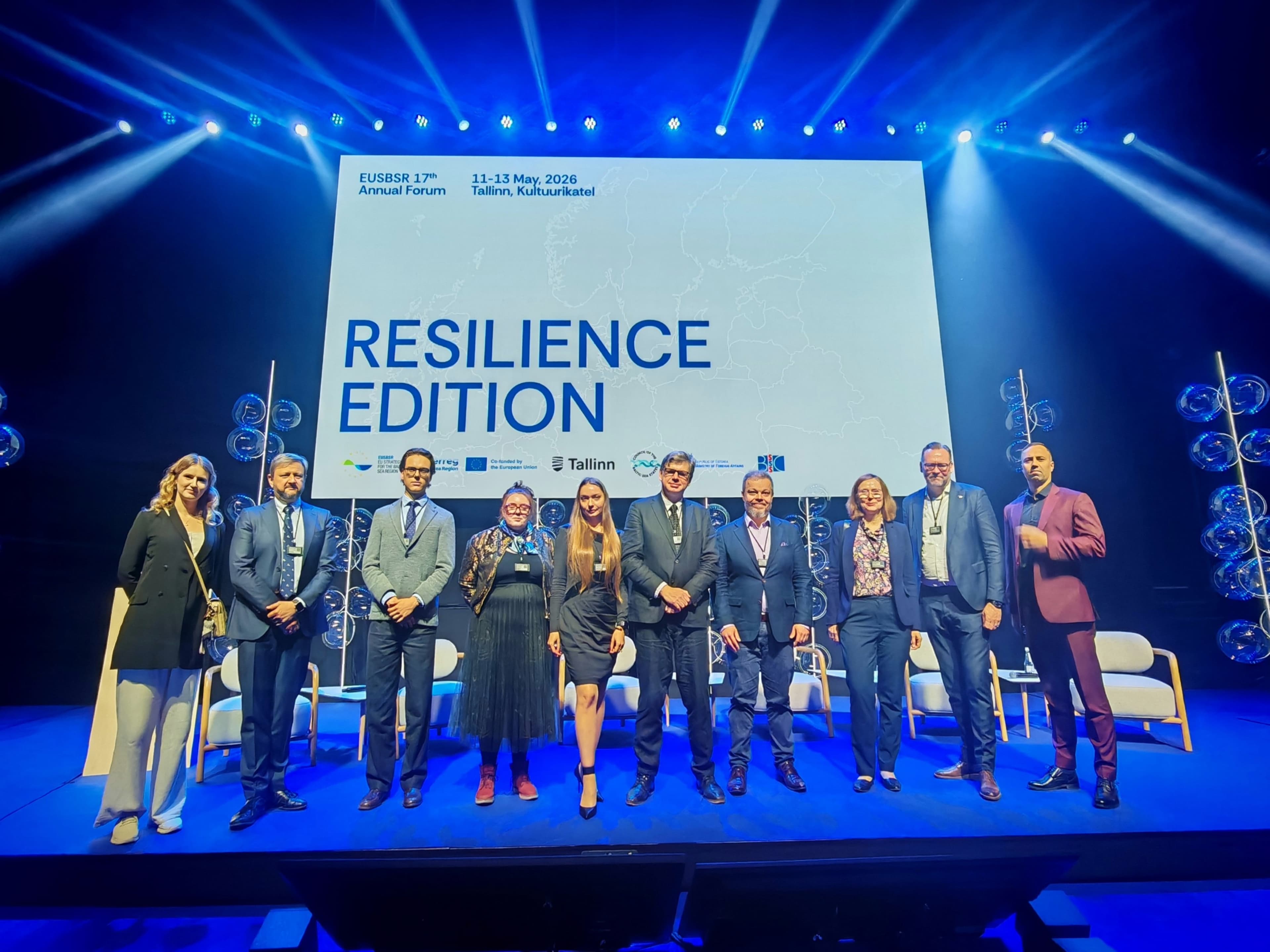
The 17th Annual Forum of the EU Strategy for the Baltic Sea Region, the "Resilience Edition," hosted by the City of Tallinn, the Estonian MFA, and the CBSS Secretariat. On 13 May, panelist on "Sovereign Intelligence — Strengthening Baltic Resilience through AI Local Value," moderated by Piotr Senkus, alongside Ott Velsberg (Estonian government CDO), Michalina Szpyrka (Polish Ministry of Development), Raimundas Tuminauskas (PCSS sovereign compute), and Anastasija Nikiforova (Tartu; Stanford top-2% AI). Two distinct angles on the panel. First, the only person on stage actually shipping AI to SMEs commercially, not theorising it from a ministry or lab. Second, the warning underneath: AI's trajectory runs well past where Europe is calibrated for. Europe is building on infrastructure it doesn't own, writing policy for a version of the technology that's already a generation old, and lacks the compute, capital, and risk appetite to close the gap on its own. The trajectory will not wait.
Hybrid threats to critical infrastructure, demographic competitiveness, World Café Policy Lab for the post-2027 programme
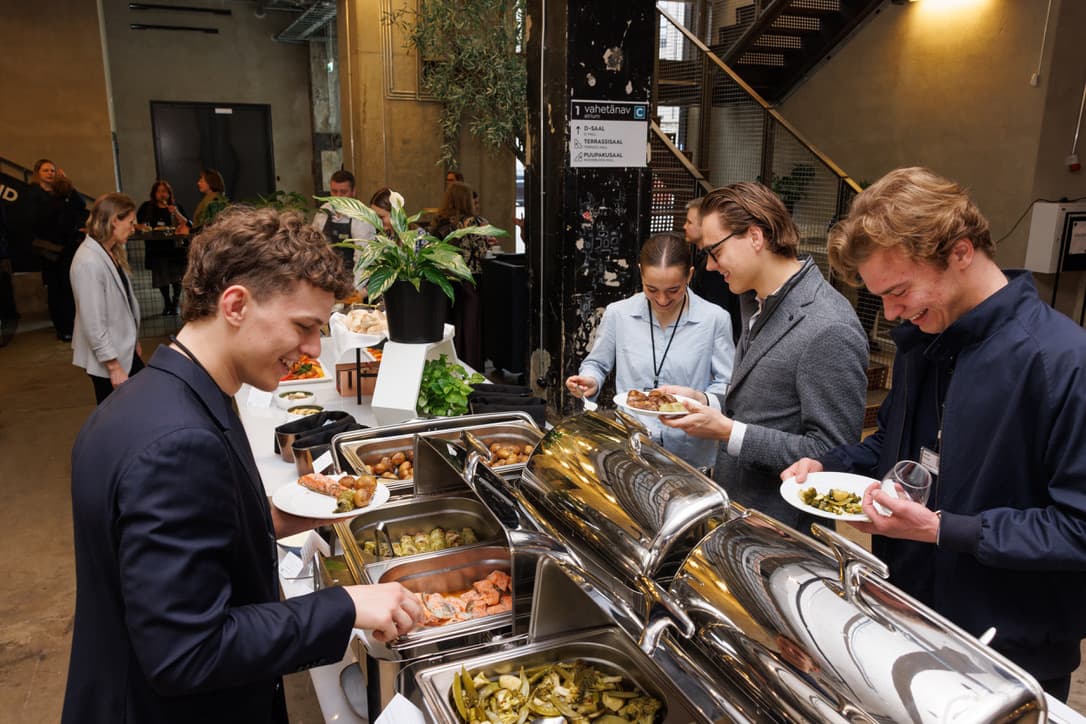
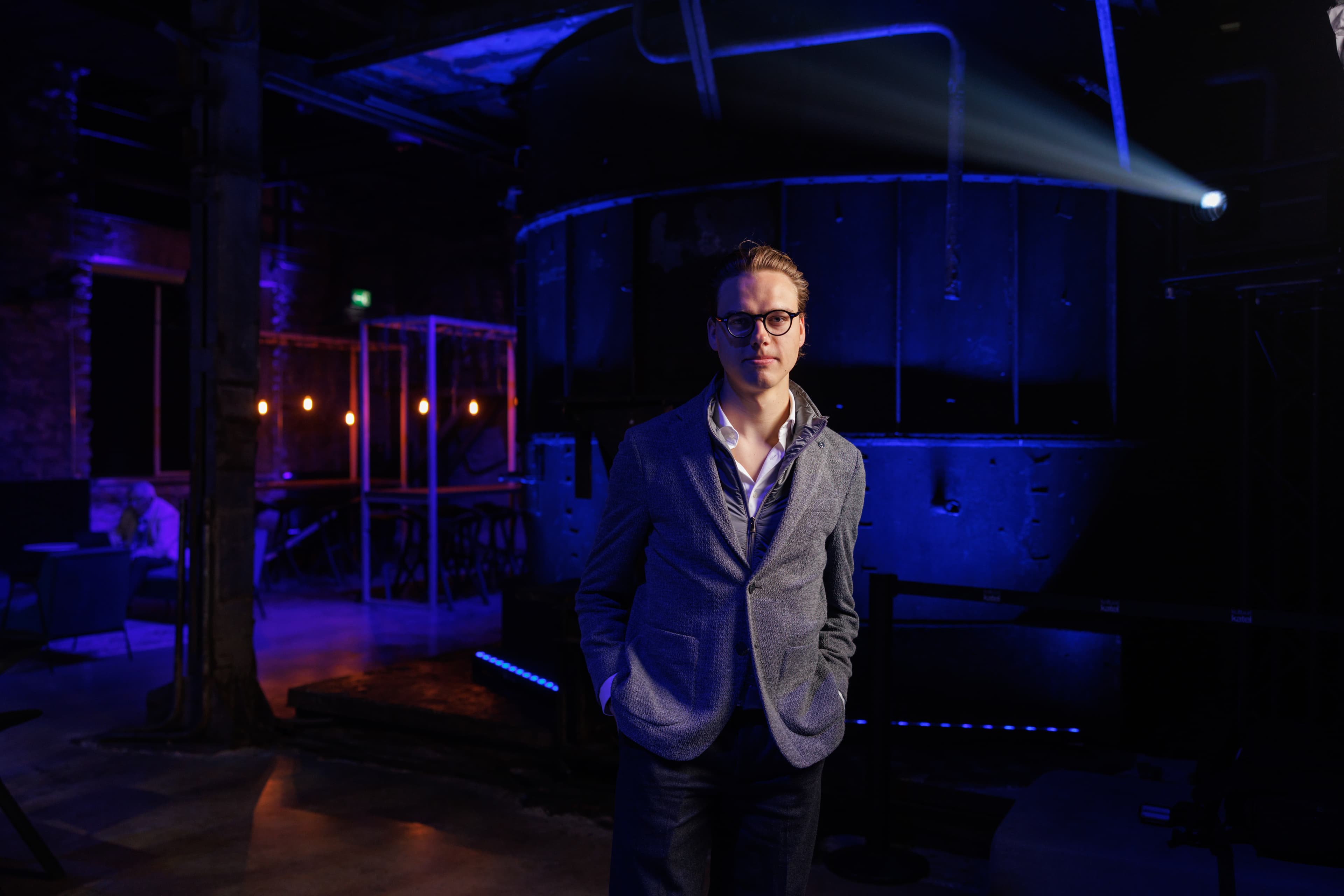
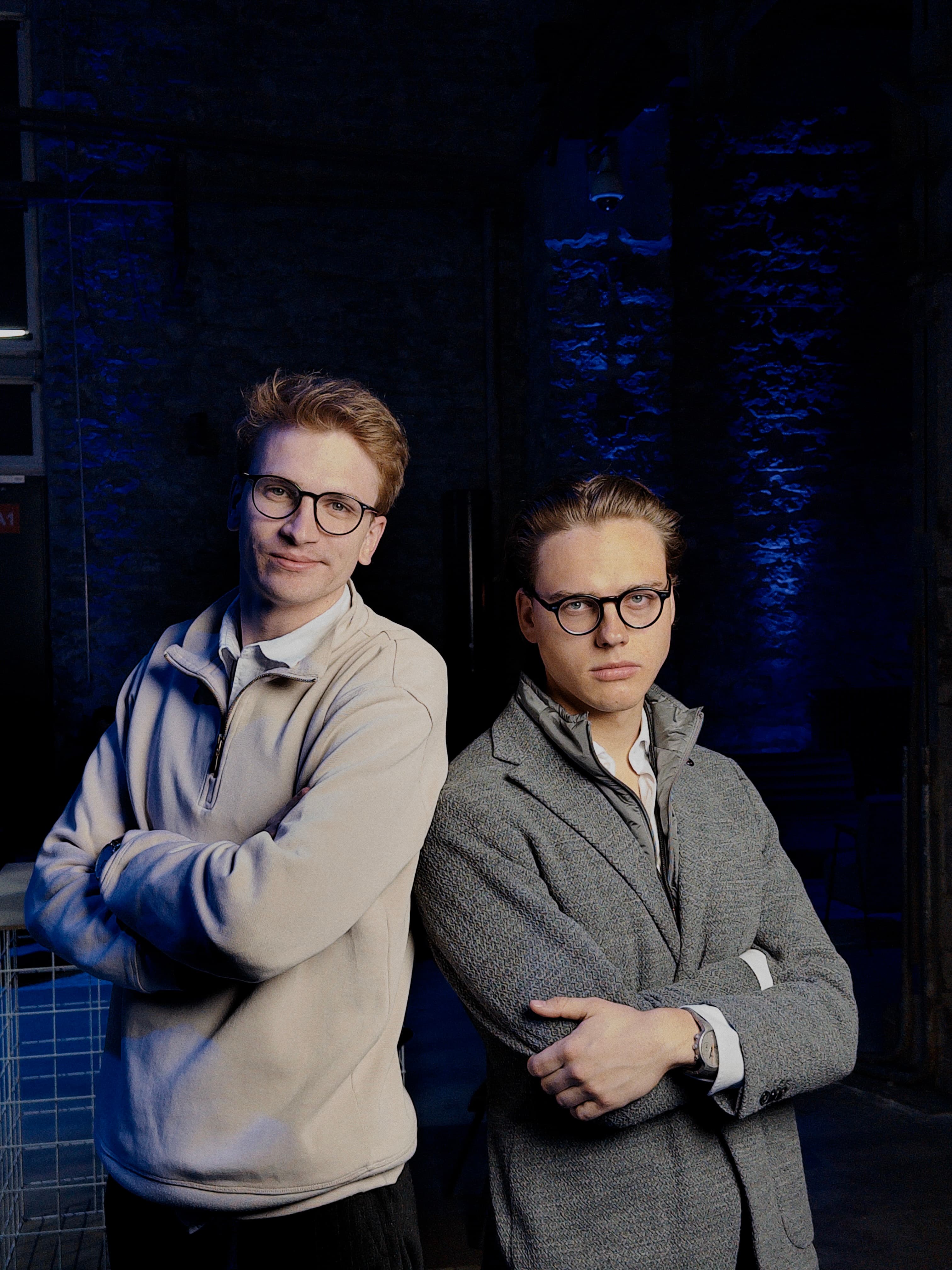
Political handover day at Kultuurikatel under the theme Co-Governing Resilience: Shaping Secure, Connected and Thriving Societies. Mayors, regional leaders, MFAs, and Interreg authorities, plus the youth delegation merging in from the 8–10 May leg. Core content: hybrid threats to critical infrastructure (cables, pipelines, ports), demographic competitiveness, a World Café Policy Lab co-hosted with Interreg BSR feeding into the post-2027 programme, and an endorsed set of policy messages handed up to the EUSBSR Forum. Participated as Youth Board Member; the youth delegation's outputs from earlier in the week fed into the day's policy track.


AI sovereignty as a capability problem, cabinet-simulation workshop, youth-track facilitation
Youth-only opening leg ahead of the political programme, with BSSSC delegates from a subset of BSR member countries. Attended as BSSSC Youth Board Member and CYR/BSRYF AI Working Group Lead. Designed the "When the Model Says No — A Baltic Cabinet Simulation, 2028" workshop; my working group partner Elias delivered it on the floor. The setup: it's 2028, a leading American AI system has just refused a sensitive request from a European government, and the room has to react. Delegates take on minister roles from Germany, Poland, Sweden, and Estonia, weigh trade-offs in budget, public support, and time, and find out fast how thin the options get when the underlying technology isn't European. The point: AI sovereignty isn't won at the regulator's desk. It's won by whether Europe can build the systems itself.
AI sovereignty, security, disinformation, and infrastructure
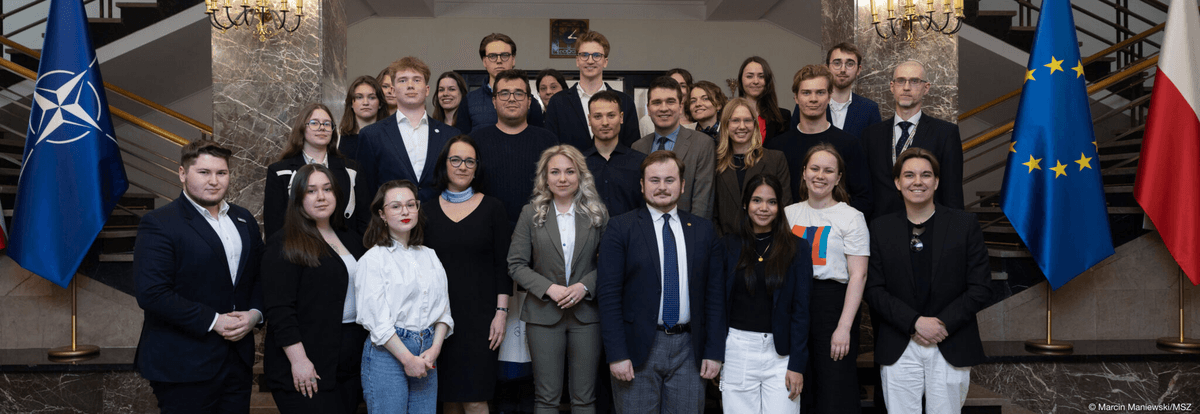
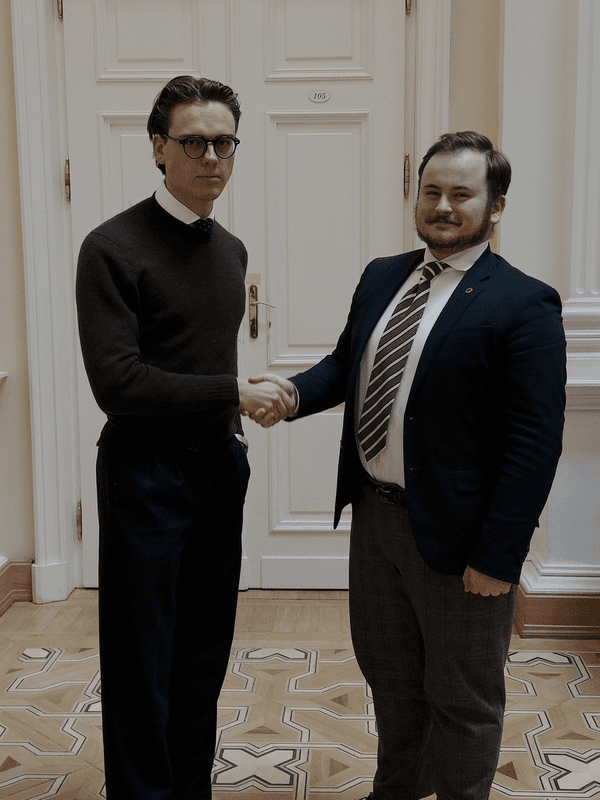
Led the AI working group and drafted the three AI recommendations submitted to the CBSS Foreign Ministers under the Polish Presidency: recognise AI infrastructure and capabilities as strategically relevant for the Baltic Sea Region's long-term security, prosperity, and autonomy; use existing regional cooperation frameworks to support favourable conditions for AI innovation, investment, and secure and inclusive deployment; and promote transparency, knowledge-sharing, and inclusive participation, including young people, in AI governance approaches. Hosted by the Polish Ministry of Foreign Affairs alongside a shadow-fleet security exercise and an energy-law conference at the University of Warsaw.

Working Plan 2026–2027, Strategy 2030 update, youth integration in Tallinn programming
Co-authored the youth delegation report on the unanimous adoption of the BSSSC Working Plan 2026–2027 across six priorities and the launch of the Strategy 2030 review (Tallinn → Hamar → Brussels). Pushed for youth voices to be embedded as a fixed part of the May Tallinn panels. Adopted unanimously.
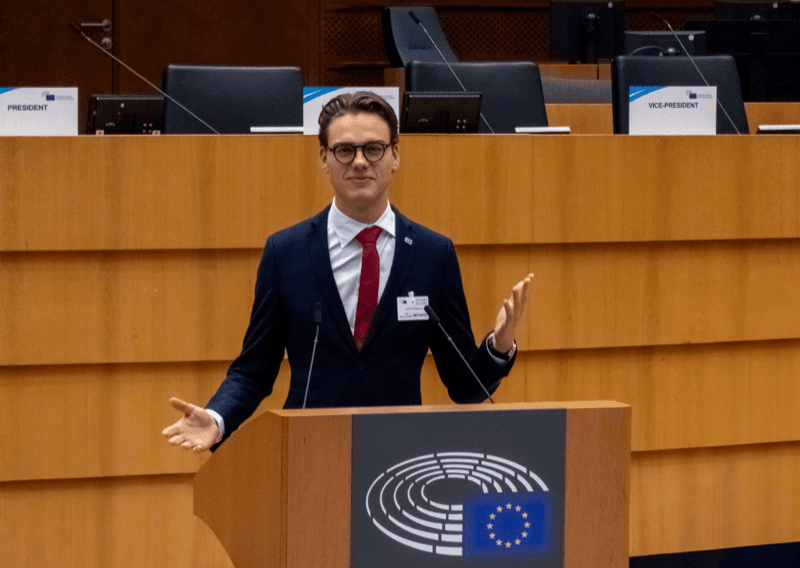
Youth representation, green transition, regional security
Joined a breakfast session at the European Parliament with MEP Niclas Herbst, then represented the youth perspective at the BSSSC Board Meeting at the Hanse-Office.
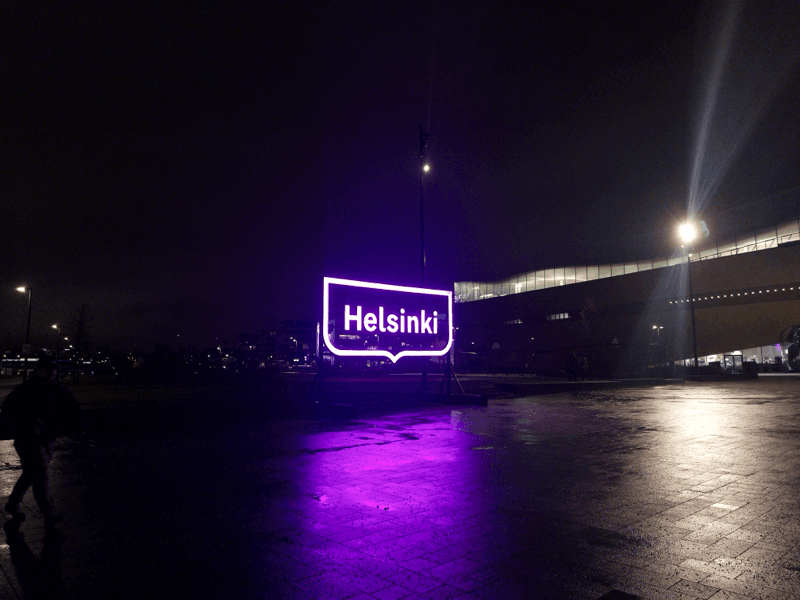
AI and energy infrastructure
Facilitated the AI x Energy workshop for Nordic-Baltic delegates, representing BSRYF and CBSS. After gauging delegate priorities, pivoted from technical grid-optimisation content to framing AI as a sovereignty and security issue.
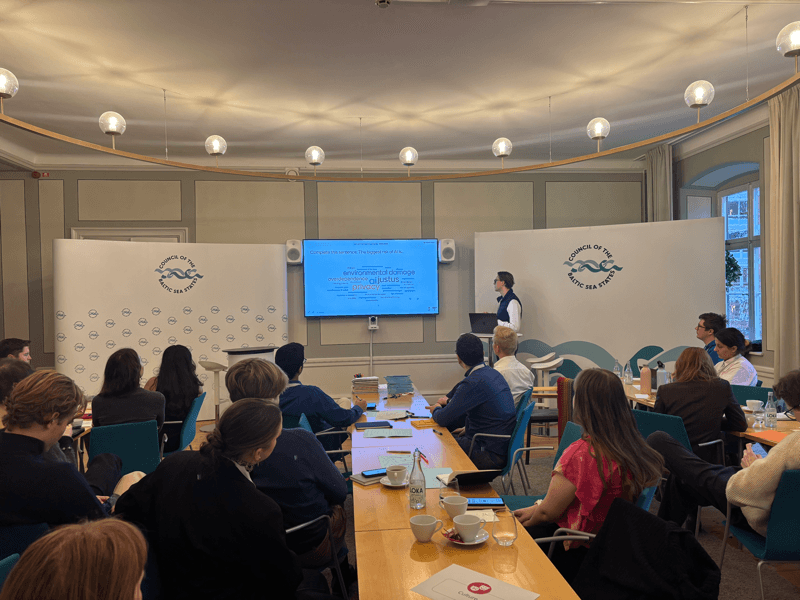
European AI sovereignty and digital infrastructure
Argued across this five-day dialogue, hosted by CBSS and the German Embassy, that Europe is importing its reasoning and building its digital future on infrastructure that isn't its own. Made the case for European foundation models.
.png&w=3840&q=75&dpl=dpl_3BQfn1TjoYLGxn9tnrpKQ2RH3TYj)
AI and cybersecurity readiness across the Nordic region
Represented CBSS and BSRYF; argued that talent pipelines only work when paired with structural investment in compute, energy, and data-centre capacity for credible AI defence against Russia-linked threats.
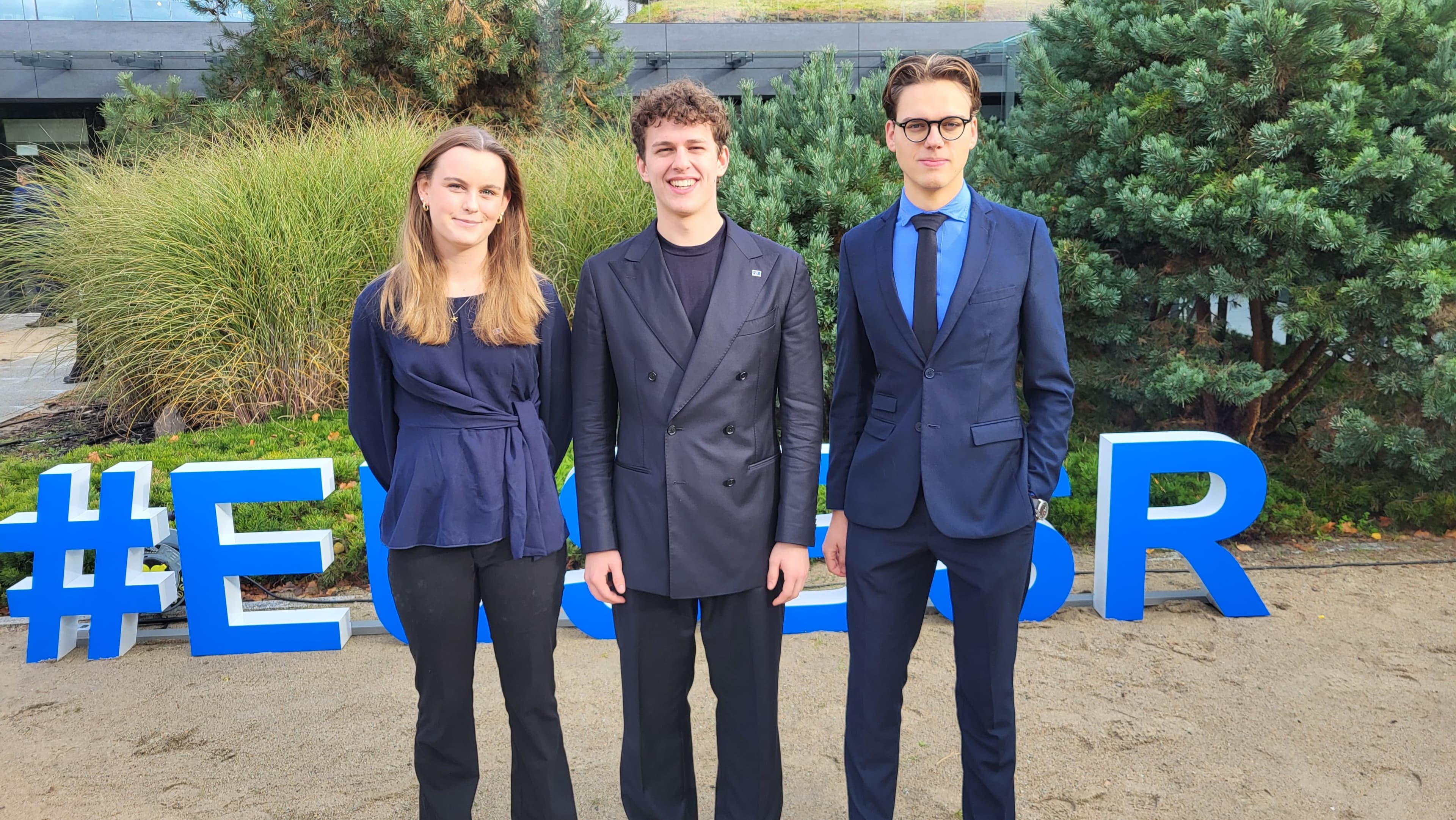
AI infrastructure, regional cooperation, liberty-first competitiveness
Challenged the Day of Cities and Regions panel on Europe's tech paradox and ran CYR workshops prototyping a European-scale VC fund, startup-friendly taxation, and a Project-Stargate-level data estate.
Growth is a moral imperative. It compounds human potential, whether through technology, efficiency gains, or sheer hard work, and that is what made the modern world humane.
Dispersed knowledge and free prices beat central planning. The Baltic Sea Region should open energy markets, make room for new compute infrastructure, let talent move without friction, and clear paths for fast AI deployment.
The state's job is narrow: defend liberty, protect property. Not industrial policy by committee. Not subsidy capture. And definitely not pre-emptive regulation that arrives before the technology does.